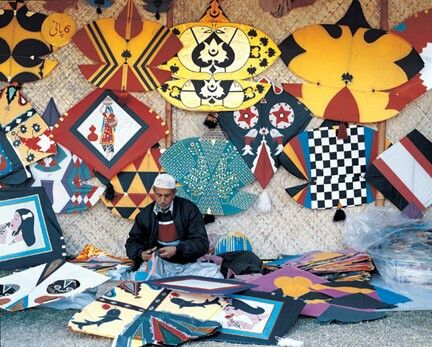
Along with flying high in the sky, these kites move millions in a powerful seasonal economy.
Pakistan’s kite scene isn’t just fun in the sky, it’s a business with big markets, big money, and deep supply chains. What was once viewed mainly as a cultural activity has huge economic layers: from raw materials and manufacturing to retail, logistics and service sectors. Now, after years of restrictions, it’s returning and the numbers are getting big.
Latest Big Numbers (2026 Revival)
• ~Rs 340 Million in kite and string sales in Lahore in just two days as Basant season kicked off including kites, spools and accessories. (SAMAA TV)
• ~Rs 150 Million from kite sales in just one day during early market activity. (ARY News)
• ~Rs 80 Million+ from string sales immediately in the early season. (ARY News)
Economists and organizers now expect Basant 2026 to generate more than Rs 20 Billion across sectors such as tourism, hospitality, transport, food and retail far beyond just kites.
These figures show kite business isn’t seasonal fun, it’s serious commerce.
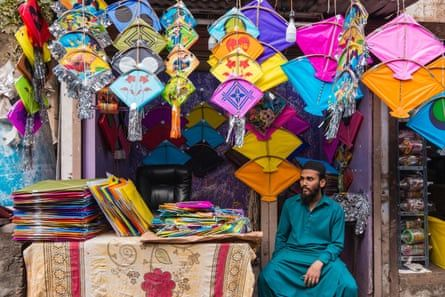
What Markets Run on the Kite Economy
Unlike a simple hobby, the kite industry has multiple linked markets most of them commercial businesses that earn real money:
1) Raw Material Supply
- Paper & bamboo suppliers: basic kite frames and colorful bodies
- String makers (manjha): one of the most profitable raw input markets
- Glue, dyes & coatings: raw materials that add value
These suppliers form the foundation of cottage and small industry chains.
2) Manufacturing / Small Workshops
Before bans, kite manufacturing was a major home-based industry:
- Thousands of workers were engaged in making kites and strings, especially in Lahore, Gujranwala and Kasur regions. (Khalid Zafar)
- Most workers were women and home laborers operating in informal setups that functioned like micro-startups. (Khalid Zafar)
Even today, producers are gearing up to meet demand as Basant returns.
3) Distribution & Retail
- Traditional markets in Lahore Mochi Gate, Islampura, Sanda, Samanabad and Ichhra have turned into seasonal commercial hubs. (PhotoNews Pakistan)
- Registered kite vendors and string sellers operate like small retail businesses.
- Licensing and QR codes are being used to formalize this sector for the first time in decades. (AAJ News)
4) Service & Experience Economies
Kite flying has multiplier effects:
- Increased foot traffic boosts food stalls, eateries, transport services and local taxi/ride-share demand.
- Tourists and visitors increase hotel occupancy during festival days. (ProPakistani)
This creates real economic ripple effects. The Basant economy today isn’t just kites it’s festival tourism.
Business Chain: From Raw Material to Sale
Here’s how money flows in the kite industry:
Raw Materials → Production → Sales → Consumer Experience → Services
- Raw Materials: Paper, bamboo, string materials are sold to makers
- Manufacturing: Home industries or small workshops process them
- Retail: Sellers list kites and accessories in markets
- Consumer Sales: Buyers acquire kites, strings, tools
- Festival Spending: Local food stalls, transport and hospitality get traffic
This chain shows why the business doesn’t just benefit a few it feeds many sectors.
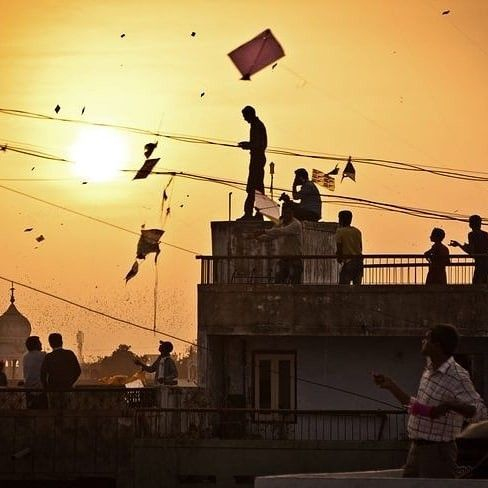
What Happened When It Stopped
From the early 2000s until recently, kite flying and kite commerce was banned for safety reasons due to injuries caused by dangerous strings. (Dawn News)
That ban had a real economic cost:
- Hundreds of thousands of workers lost steady seasonal income. (Khalid Zafar)
- Many traditional markets and supply chains disappeared or moved into unrelated businesses.
- Economists estimated that before the ban, kite activities added Rs 220 Million+ in Lahore revenue and up to Rs 3 Billion+ province-wide in Basant markets. (Al Jazeera)
Millions of micro-enterprises effectively vanished overnight.
Why Its Return Matters to Startups & Business
The return of kite flying matters because the demand is real and already visible, with 2026 sales showing strong consumer spending across kite and string markets, as reported by SAMAA TV. This is not a single-product economy; it fuels multiple revenue streams including kites, tools, food, transport, tourism and local services. At the same time, licensing, QR codes and regulation are beginning to formalize what was once an informal sector, according to AAJ News. This creates room for startups to build online marketplaces, delivery services, safety products and digital platforms that connect makers directly with buyers. The kite economy no longer has to stay on the streets; it can evolve into a structured digital and retail business ecosystem.
Conclusion: From Tradition to Commerce
Kite flying in Pakistan, especially around Basant is no longer just cultural nostalgia. It is now a multi-layered economic ecosystem involving raw material suppliers, makers, retailers, street markets, hospitality and tourism sectors.
The return of Basant after years of restriction has revealed how strong the business appetite is, proving that a cultural tradition can also be a serious market opportunity.
With more structure and innovation and safety this industry could become a seasonal startup boom, connecting millions of buyers with producers, services, and experiences.